
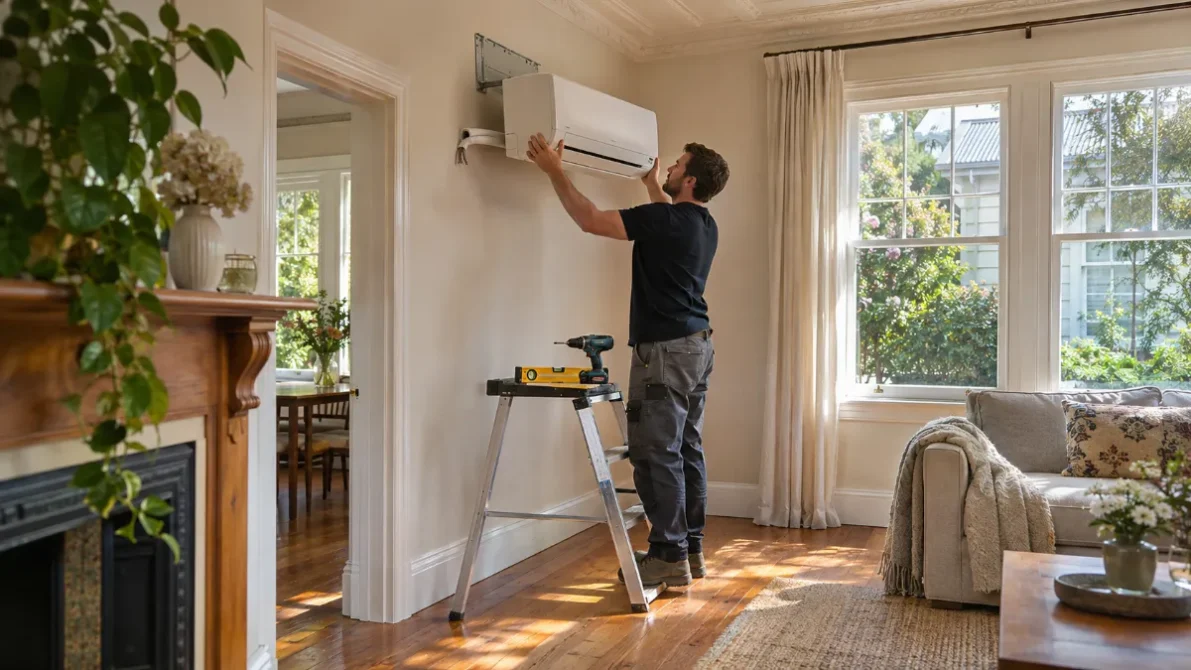
How Much Does a Heat Pump Cost to Install in NZ (2026)?
Quick answer: For a single-room high-wall heat pump, most Kiwi households pay somewhere between $2,000 and $4,000 installed. Want one big enough for an open-plan living area? Think $4,000 to $8,000. Ducted systems tend to start around $9,000, and a long pipe run, new wiring or a tricky spot for the outdoor unit will all add to it.
Ask three installers what a heat pump costs and you’ll probably get three different answers (and none of them will match the “from $1,805” ad you saw last week). To get a clearer picture of heat pump installation cost in NZ, we pulled together the published price ranges, read the fine print on what a standard install includes, and listed the extras that tend to show up on the final invoice. Here’s what we found.
Typical heat pump installation cost by system type
These are 2026 figures from CheckMyBuilder’s NZ cost guide. Note they’re quoted before GST, so add 15% when you compare them with a quote. For what it’s worth, EECA’s own ballpark for a typical heat pump (unit plus install) is about $4,400.
| System | Typical use | Installed price (NZD, excl. GST) |
|---|---|---|
| Small high-wall split, 3–5 kW | One bedroom or a small lounge | $2,000 – $4,000 |
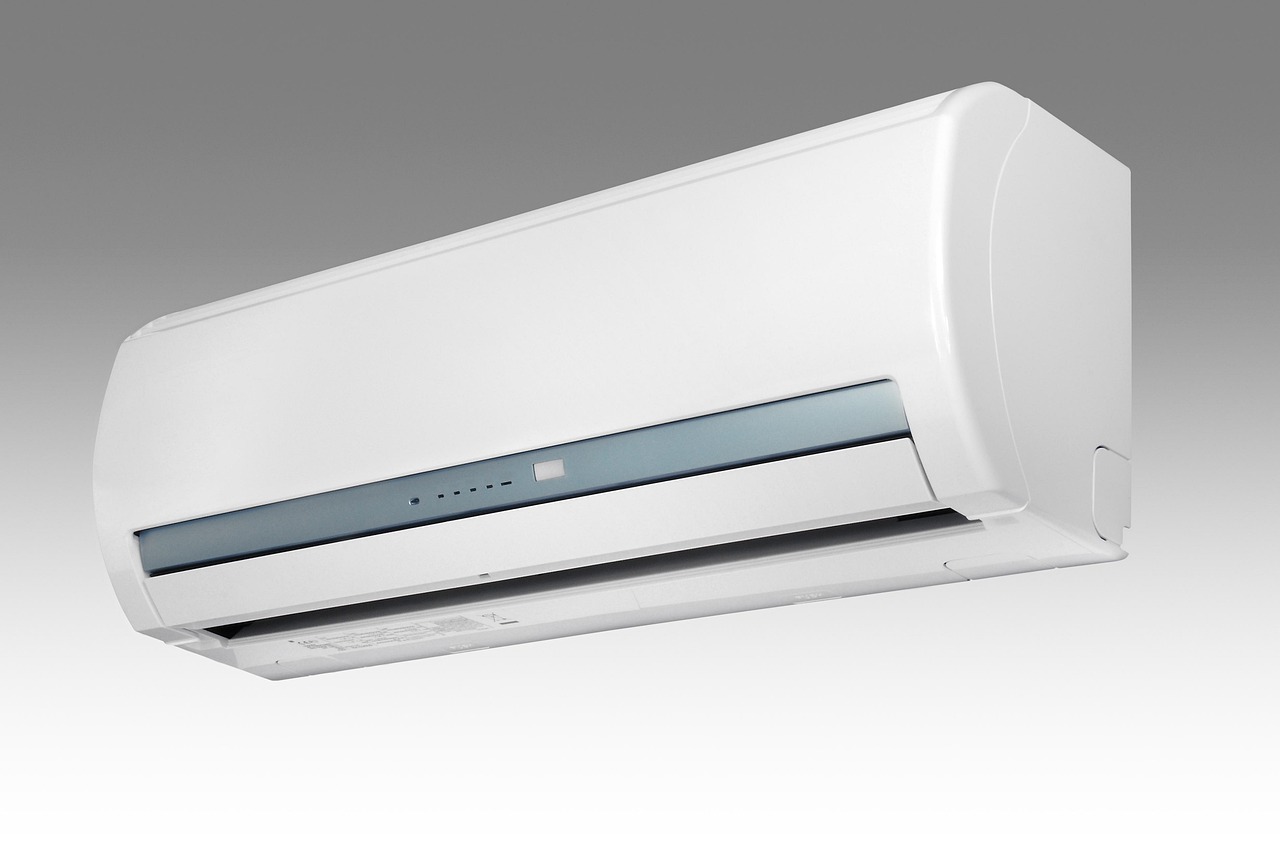
| Larger high-wall split, 5–9 kW | Open-plan kitchen, dining and living | $4,000 – $8,000 |
| Ducted system | Several rooms or the whole house | $9,000 – $25,000+ |
Live in Auckland? Expect to pay a bit more. The guide has a typical Auckland job at around $5,000, versus about $4,000 in Wellington, Christchurch, Hamilton or Tauranga. And if you’ve got your heart set on a premium brand, that can be another 10–30% on top for the same size unit.
What a “standard install” really covers
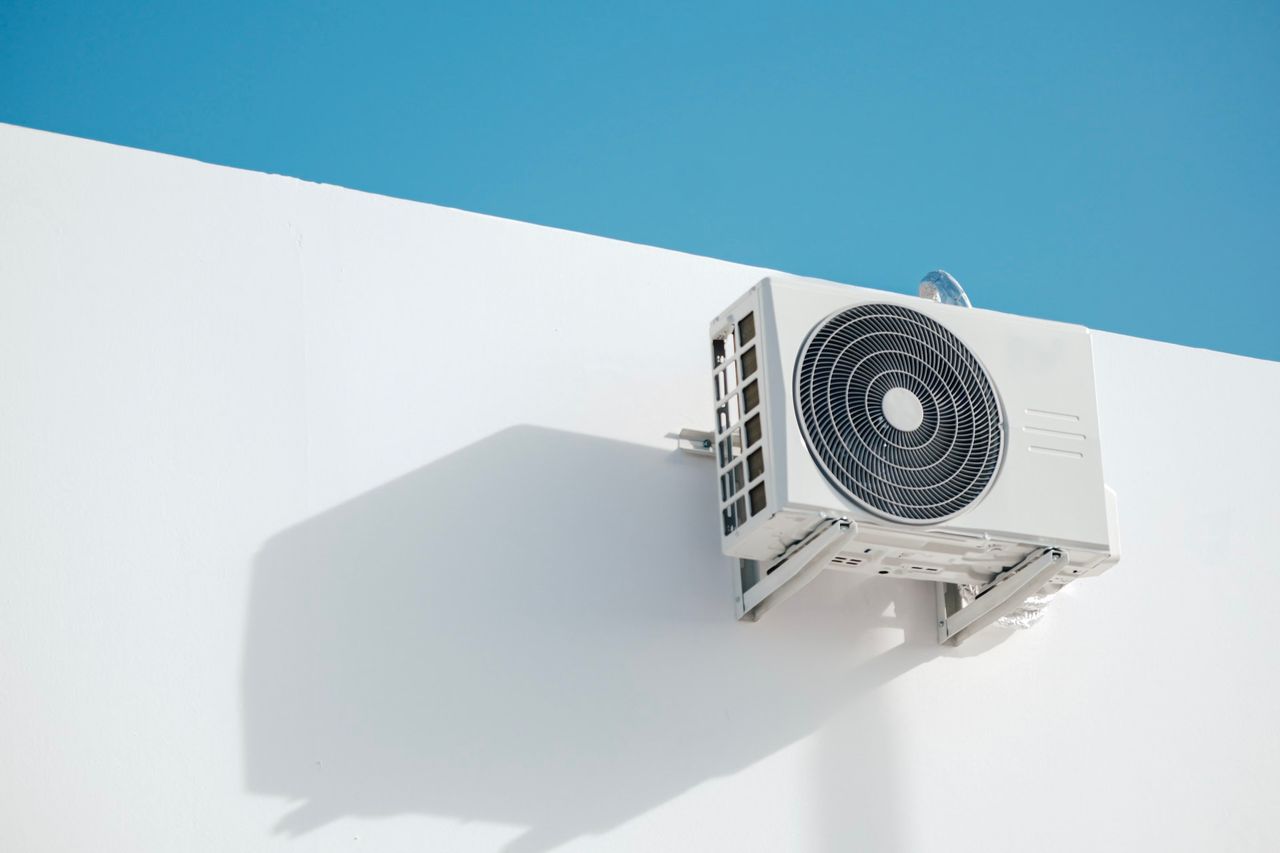
The $1,805 price we mentioned is from Bunnings Trade, and it is a real price, but it only applies to a single-level back-to-back install, which is where the indoor unit is on an outside wall and the outdoor unit sits on the ground directly behind it.
That price includes up to 3 m of pipework, up to 10 m of electrical cable, an electrical Certificate of Compliance, and the outdoor unit placed on a hard, level surface that’s already there (a concrete path or a deck, for example). The house has to be weatherboard or timber-clad as well. If you have a brick house, a two-storey house, or you’d rather the outdoor unit went round the side out of sight, you’ll get a separate quote for that.
So it’s worth treating the advertised price as the cost of the simplest version of the job, and then working out how close your place is to that.
The extras that push a quote up
A lot of the install cost on a split system is the labour of running pipes and cable between the indoor and outdoor units, so anything that makes that run longer or harder to get to tends to add to the price. The table below lists the extras that come up most often in quotes.
| Extra | Typical added cost (NZD) | When it applies |
|---|---|---|
| Longer pipe run | $200 – $1,000 | Indoor and outdoor units aren’t back to back (standard is usually 3–4 m) |
| Electrical work | $300 – $1,500 | New circuit needed, or the switchboard is old or full |
| Premium brand | +10 – 30% | Same capacity, higher-tier model |
| Wall bracket or roof stand | Quoted per job | No level ground for the outdoor unit |
| Removing old heating | Quoted per job | An old unit, wood burner or gas heater has to come out first |
According to CheckMyBuilder you won’t need a building consent for a normal heat pump install, although the wiring has to be done by a licensed electrician, which EECA also recommends. Most installs take between one and three days, and ducted systems are usually at the longer end of that.
Sizing: a bigger unit isn’t always better value
If a heat pump is too small for the room it will struggle on cold mornings, and if it’s much too big you’ve paid more than you needed to for a unit that spends a lot of its time cycling on and off, so it’s worth getting the size right before you compare prices.
Consumer NZ’s sizing tables are based on a 2.4 m stud, which means older villas and other houses with high ceilings usually need a bigger unit than the floor area alone would suggest. When you look at energy star labels, Consumer NZ recommends only comparing units with a similar capacity. It also suggests looking for a heating COP of 3 or more, which means the unit puts out at least 3 kW of heat for each 1 kW of electricity it uses.
We’d be cautious about any quote that gives a kW size without someone having come out to look at the room, the windows and the insulation, and it’s reasonable to ask the installer how they worked the size out.
What it costs to run once it’s on the wall
The running cost matters more over the life of the unit than the install price does. EECA says heat pumps cost about a third as much to run as gas heating, and about a quarter as much as a plug-in bar or column heater.
Power prices also differ quite a lot around the country. In MBIE’s February 2026 survey (reported by Canstar), the national average was 40.6c per kWh, but it ranged from 35.71c in Ashburton all the way to 50.31c in Balclutha.
Example: if a heat pump uses 1.2 kW on average and runs for 6 hours a day over 120 days of winter, it will use about 864 kWh, which comes to roughly $350 at 40.6c per kWh. If you only run it for 3 hours a day it would be about $175. Your own figures will depend on the unit, how well the house is insulated and what temperature you set it to. As a rough guide, Consumer NZ says a small 2.5 kW unit can cost under $200 a year to run, and a large unit of 10 kW or more might cost around $1,000.
Can you get a grant?
Some households can. EECA’s Warmer Kiwi Homes programme covers 90 percent of a heat pump, up to $3,450, for eligible owner-occupiers. EECA says most eligible households end up paying $400 to $700.
To qualify you generally need to:
- own and live in a home built before 2008
- hold a Community Services Card or SuperGold Combo card, or live in one of the highest-need areas
- already have ceiling and underfloor insulation to EECA standards
- have no existing heat pump, wood or pellet burner, flued gas heater or central heating
The grant only covers high-wall units, not ducted or floor-mounted systems, and rentals are excluded. Installation can take up to four months, so apply well before winter.
How to compare heat pump quotes
Get at least two or three quotes, and make sure they’re quoting the same job. These questions help:
- What size (kW) and model are you quoting, and how did you work out the size?
- How many metres of pipe and cable are included, and what’s the rate beyond that?
- Where will the outdoor unit sit, and is a bracket or stand included?
- Does the price include GST, the electrical Certificate of Compliance and rubbish removal?
- Who does the electrical work, and are they licensed?
- What warranty covers the unit, and what covers the workmanship?
Our directory lists more than 200 heat pump businesses across New Zealand. You can browse heat pump installers by area, or start with heat pump installers in Auckland. Once it’s in, a yearly service keeps it running efficiently; our heat pump guides cover servicing and running costs. If you’re weighing a whole-house system instead, see our ducted heat pump guides or home heating guides.
Frequently asked questions
How much does a heat pump cost to install in NZ?
A single-room high-wall unit usually costs $2,000 to $4,000 installed, and a larger living-area unit $4,000 to $8,000. Ducted systems often start around $9,000.
Is a back-to-back install cheaper?
Yes. With the two units directly opposite each other, pipe and cable runs are short, which is why retail “from” prices are based on it.
Do I need a building consent for a heat pump?
Usually not for a standard residential install. The electrical work still has to be done by a licensed electrician, who should give you a Certificate of Compliance.
How long does installation take?
A single split system is often done in a day. More complex jobs and ducted systems can take up to three days.
What size heat pump do I need for a lounge?
It depends on the room size, stud height, glazing and insulation. Ask the installer to measure on site rather than guessing from floor area alone.
Are cheap heat pump deals worth it?
They can be, if your house suits a standard back-to-back install. Check exactly what’s included before comparing with a full quote.
How much does a heat pump cost to run per year?
Consumer NZ suggests under $200 a year for a small unit and up to about $1,000 for a very large one. Your power rate and usage make the biggest difference.
Can I get a government grant for a heat pump?
Eligible owner-occupiers can get 90 percent, up to $3,450, through Warmer Kiwi Homes. It’s limited to high-wall units in homes built before 2008.
How long does a heat pump last?
EECA gives a typical lifespan of about 15 years. Regular filter cleaning and an annual service help it get there.
Should I replace an old heat pump or repair it?
If it’s close to the end of its roughly 15-year life and needs a major repair, ask for both a repair price and a replacement quote before deciding.
Bottom line
Budget around $2,000 to $4,000 for a straightforward single-room heat pump, $4,000 to $8,000 for a bigger living-area unit, and more if your house needs long pipe runs or electrical upgrades. Those extras are what usually separate an advertised price from your real heat pump installation cost. Get quotes that spell out size, metres included and the electrical work, and check whether you qualify for Warmer Kiwi Homes before you pay full price.
Editorial note: Prices are indicative ranges from the sources below, checked in November 2026. They are not quotes. Always get a written quote from a licensed installer for your home. Written by the vpvp.net Editorial Team; see our editorial policy for how we research and check our guides.
Sources
- CheckMyBuilder: Heat pump install cost guide (updated May 2026)
- Bunnings Trade: Heat pump supply and installation
- EECA: Heat pumps (updated June 2026)
- EECA: Warmer Kiwi Homes programme
- Consumer NZ: Heat pump buying guide (updated May 2026)
- Canstar: Average electricity costs per kWh (MBIE data to February 2026)