
Heat pump maintenance
Seasonal heat pump care has two parts: simple observations and user-manual tasks a homeowner can safely handle, and inspection or service work that belongs to a qualified HVAC technician. The exact schedule and checklist depend on the model, how the system is used, and the conditions around the home.
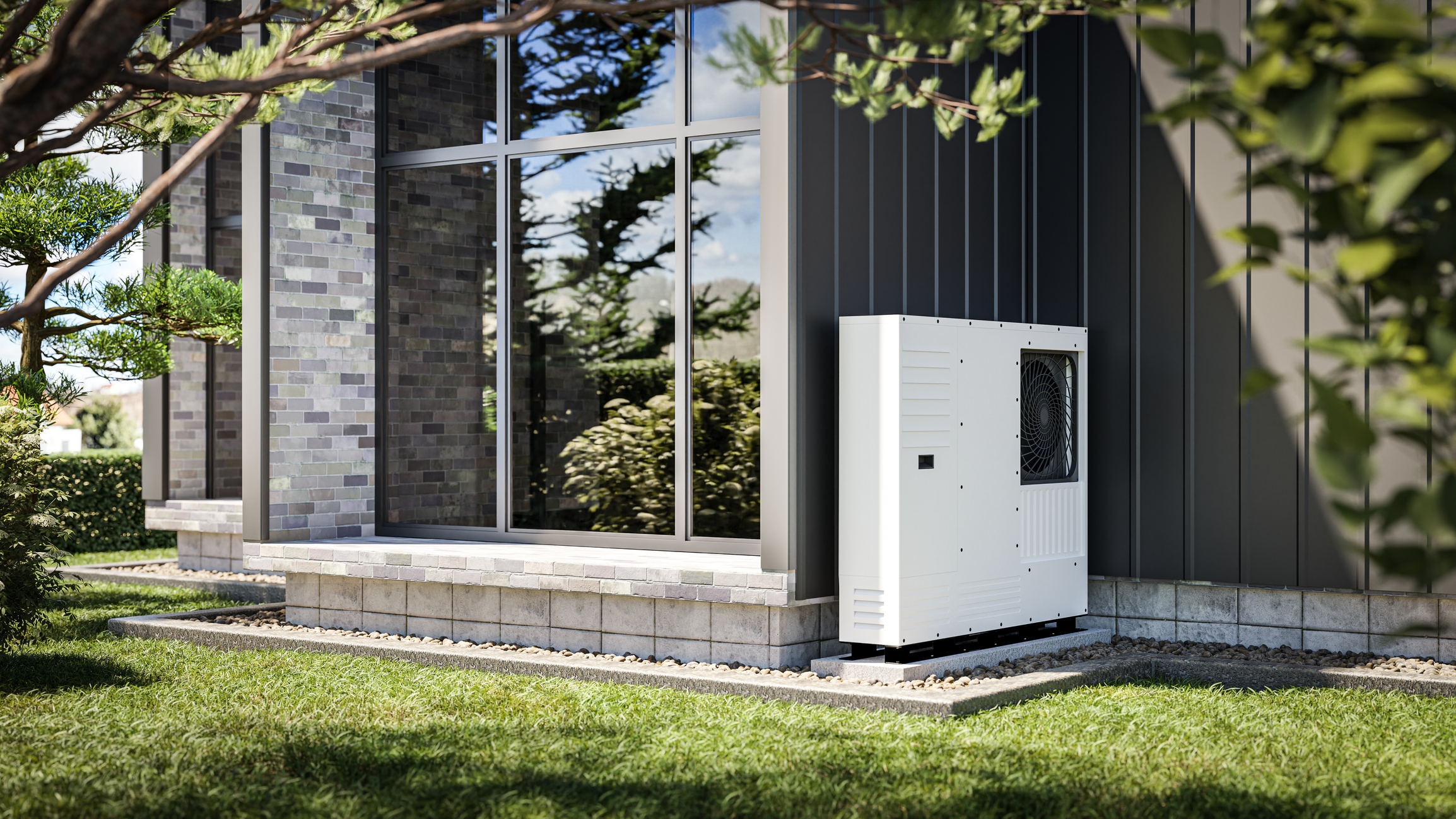
Homeowner checks: observe and follow the manual
Homeowner maintenance should stay limited to accessible, non-invasive tasks described in the manufacturer's user instructions. If a task requires opening an equipment cabinet, reaching near a fan, handling wiring or refrigerant lines, or working on a ladder, leave it to a technician.
- Look around the outdoor unit. From a safe position, check for leaves, branches, snow buildup, impact damage, or anything visibly restricting airflow. Maintain the clearance stated in the manual. Do not bend coil fins, remove guards, chip ice, or spray the unit with a pressure washer.
- Check accessible air filters. Ducted systems and some ductless indoor units have user-accessible filters. Inspect or clean or replace them only as the manual directs, and use the specified filter type. For general filter selection background, see our guide to choosing an HVAC filter.
- Keep notes on operation. Record changes in room comfort, airflow, sounds, visible water, or how often the system seems to run. Avoid changing installer or service settings to test a theory.
- Check the area, not the equipment internals. Keep stored items away from indoor air handlers and outdoor equipment. If you notice a damaged cover, persistent ice, or a leak, contact a service provider instead of opening the unit.
Seasonal reminders
Before the main heating or cooling season, review the user manual, make sure the outdoor unit's surrounding area is not obstructed, and check any accessible filters. After storms or heavy leaf fall, look for visible changes from a safe distance. These are visual checks, not a substitute for opening or cleaning internal components.
Heat pumps can serve both heating and cooling, so some systems operate for much of the year. Instead of assuming one service interval fits all equipment, follow the manufacturer's maintenance schedule and ask the installer what routine professional visits are appropriate for your model and usage. Our New York heating-season preparation guide covers broader home readiness before winter.
Professional service: what a technician may check
The service scope varies by system and condition. A qualified technician may inspect and test items such as:
- Airflow and accessible filters, coils, fan components, and duct connections, where applicable.
- Electrical components, controls, thermostat communication, and system operating sequence.
- Refrigerant-circuit operation and signs of a leak, using appropriate tools and procedures.
- Condensate drainage and signs of blockage or water damage.
- Defrost operation and heating performance under the conditions present during the visit.
- Auxiliary or backup heat operation and related controls, if the system includes them.
- Outdoor-unit condition, mounting, clearances, and any visible damage or obstruction.
Not every item requires cleaning, adjustment, or replacement at every visit. Ask the technician to explain what was checked, share relevant measurements or findings, and get approval before extra work is performed.
When to schedule service sooner
Arrange professional service if the system repeatedly shuts down, struggles to maintain comfort, has a marked change in airflow or operating noise, shows persistent icing, or has visible water around indoor equipment. A single symptom can have several causes, so avoid treating it as a diagnosis.
If a heat pump is paired with a gas or oil backup furnace and you smell fuel or a carbon-monoxide alarm sounds, leave the building and contact the appropriate emergency service from a safe location. Do not open equipment or try to restart the system.
Questions to ask at a maintenance visit
- What does the manufacturer recommend for this model and how often?
- Which checks are included in this visit, and which would be billed separately?
- Were any performance measurements outside the expected range? Can you explain them?
- Does the backup heat or defrost control need attention?
- Are there signs of a refrigerant, drainage, airflow, or electrical problem?
- What homeowner tasks are safe for this exact system, and which should I avoid?
For new equipment or a change in system design, the questions in our heat pump sizing and estimate guide can help you discuss the intended system and documentation with an installer.
Frequently asked questions
Does every heat pump need service twice a year?
Not necessarily. The manufacturer's schedule, system design, operating hours, environment, and service history all matter. Ask a qualified provider to recommend an interval for your equipment.
Can I wash the outdoor coil myself?
Do not use a pressure washer, chemicals, or tools on the coil. Follow the user manual for homeowner cleaning; if it is unclear or the coil is dirty or damaged, ask a technician.
Does maintenance guarantee lower bills or prevent every breakdown?
No. Proper service can help identify issues and keep the equipment maintained, but energy use depends on weather, utility rates, the home, system design, and operation. Maintenance cannot guarantee a particular bill or eliminate every failure.


