
Quick answer
Supply vents deliver air; return grilles carry room air back
In a typical forced-air system, supply registers send heated or cooled air into rooms, while return grilles draw indoor air back to the HVAC equipment to be conditioned again. Keep both types clear of furniture, rugs, curtains and storage. A return grille is not automatically a fresh-air vent, and not every grille is designed to hold a filter.
Supply and return grilles can look similar, but they serve different parts of the air path. Knowing which is which helps you place furniture, recognize a blocked grille and avoid making airflow changes that the system was not designed for.
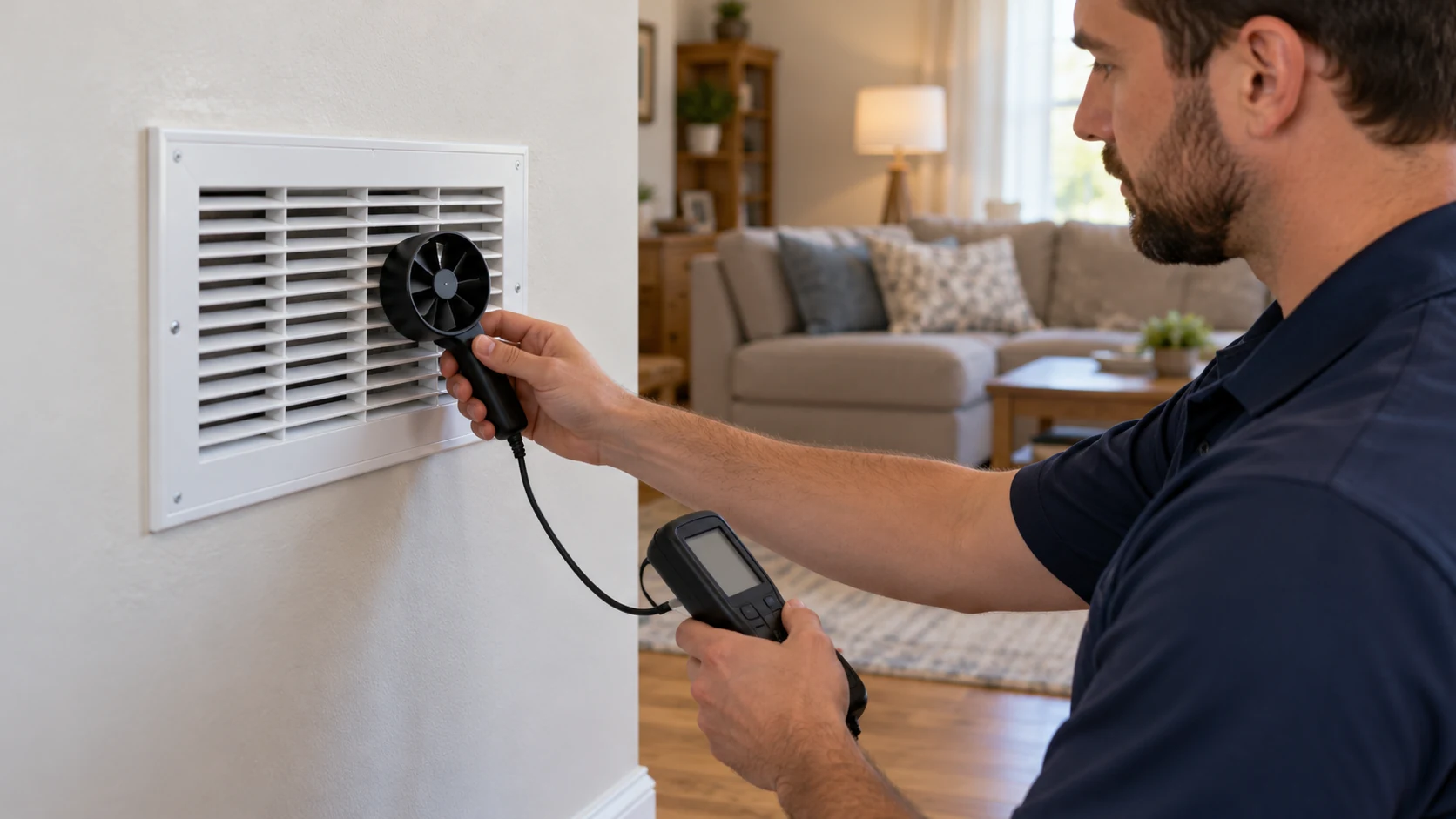
01 / Two different jobs
What is the difference between a supply vent and a return vent?
| Grille type | What it does | What to keep in mind |
|---|---|---|
| Supply register or vent | Delivers conditioned air from the system into a room. | Furniture, curtains or rugs over the opening can interfere with the intended airflow. |
| Return grille or vent | Draws room air back toward the air handler or furnace so it can be filtered and heated or cooled again. | Keep the grille open and accessible; blocking a return can restrict the air path. |
| Outdoor-air intake or exhaust | Part of a ventilation system that brings outdoor air in or moves indoor air out. | These are separate from ordinary supply and return grilles. Follow labels and equipment instructions. |
A return grille usually recirculates indoor air; it does not necessarily bring fresh outdoor air into the home. Some systems have dedicated ventilation equipment or separate intake and exhaust openings, so check labels or ask a technician if you are unsure what a grille serves.
02 / Identify the grille
How can you tell which type you are looking at?
When the heating or cooling system is operating, a supply register sends air into the room and a return grille draws air back. A technician can identify them if the airflow is difficult to feel or the system is off. Grille size and location alone are not reliable clues because layouts differ.
Some return grilles contain a filter, but many homes have the filter at the furnace or air handler instead. Use only the filter locations specified for your system. Do not add a second filter at a grille unless the equipment instructions or a qualified professional say it is designed for one. For help with filter sizing and selection, see our HVAC filter guide.
03 / Keep the air path open
What should you move away from vents?
- Keep couches, cabinets, beds and large storage items from covering a supply register or return grille.
- Make sure curtains and long drapes do not hang over wall-mounted grilles.
- Do not place rugs, baskets or laundry over floor registers or floor returns.
- Keep return grilles accessible for filter changes or surface cleaning if they are designed for either task.
- Use only grille covers made for the opening and system; decorative screens or furniture should not obstruct airflow.
- Follow the equipment manual for cleaning accessible grille surfaces, and do not push tools or chemicals into the duct.
There is no one clearance distance that fits every grille and room. Leave the opening unobstructed and ask the installer if a furniture layout makes that difficult.
04 / Avoid quick fixes
Should you close vents in rooms you do not use?
Do not close multiple supply registers or adjust balancing dampers as a general shortcut for redirecting air. The effect depends on the system design, and restricting airflow can change how air moves through the home. If a room is uncomfortable, first check that its grilles are clear and note when the issue occurs, then ask a qualified HVAC professional whether balancing or another correction is appropriate.
If some rooms stay warmer or cooler than others, see common causes of uneven temperatures between rooms. A blocked grille is only one possibility; duct condition, airflow design, controls and other factors may also matter.
05 / Know when to ask for help
When is a vent or airflow problem worth investigating?
After moving a visible obstruction, ask for professional help if airflow remains weak, a grille makes a persistent whistling or rattling sound, or comfort problems continue in one area. Those signs do not by themselves prove that a duct is blocked or needs cleaning.
A duct inspection can help establish where an issue may be and what work is appropriate. Read what happens during a professional duct inspection. If the AC is running but the home still does not cool, use our AC troubleshooting guide and describe the rooms and vents affected.
Frequently asked questions
Does a return vent bring fresh air into a room?
Usually, a return grille carries indoor air back to the HVAC equipment for filtering and conditioning. A dedicated outdoor-air intake or ventilation system is a separate part of some homes. Check labels or ask a technician if you are unsure.
Can I put furniture in front of a supply vent?
It is better to keep the opening clear. A sofa, cabinet, rug or curtain over a supply register can interfere with the designed airflow and may contribute to uneven comfort. If the layout leaves no alternative, ask an HVAC professional about the system design.
How do I know if my return grille has a filter?
Some return grilles have a filter slot, while other systems place the filter at the furnace or air handler. Follow the owner's manual or labels and do not add a second filter unless the system is designed for it.
Should I close supply vents in unused rooms?
Do not close multiple vents without checking the system instructions or asking a qualified professional. Restricting airflow can affect the system differently depending on its design and may not solve uneven temperatures.
Is dust on a vent a sign the ducts need cleaning?
Not by itself. Dust can collect on accessible grille surfaces during normal use. Clean the surface as directed by the manual; ask for an inspection if there is a separate concern inside the system or persistent airflow problem.
This guide is general information for forced-air systems. Vent layouts, filters and airflow controls vary; follow the equipment instructions or ask a qualified HVAC professional about your home's design.


