Air conditioner troubleshooting
If your air conditioner starts, runs briefly, shuts off, then starts again a few minutes later, the repeated pattern is worth checking. The timing alone cannot identify the cause, and there is no single cycle length that fits every system. These safe observations can help you decide when to call an HVAC professional.
What frequent cycling means
Air conditioners normally switch between operating and resting as the thermostat responds to room temperature. A system that starts and stops repeatedly over short intervals may be described as short cycling, but the pattern is more useful than a universal minute threshold. Equipment type, control settings, outdoor conditions, and the home's cooling demand all affect how a system runs.
This is different from an AC that keeps running but does not cool the home. Here, the main clue is repeated stopping and restarting, even if the air feels cool during part of each run. If your system runs continuously while the rooms stay warm, see our separate guide to an AC that runs but is not cooling.
Central systems, window units, portable ACs, and ductless equipment use different controls. Follow the instructions for your model, especially if it has a variable-speed compressor or a built-in restart delay.
Safe checks you can make first
- Check the ordinary thermostat settings. Confirm it is set to Cool and note whether the fan is on Auto or On. Review the programmed schedule or temporary hold, and use one steady temperature target while observing the system. Repeatedly lowering the setpoint or switching modes can make the pattern harder to understand.
- Notice the thermostat's location and display. Record any blank screen, error message, sudden temperature change, or symptom that occurs when sunlight or a nearby appliance warms the thermostat. Do not open the thermostat, move its wiring, or change installer settings.
- Check the user-accessible filter and vents. If the manual explains how to remove the filter, switch the system off at the thermostat first and check whether the filter needs service. Use only the size and type specified for the equipment. Keep return grilles and supply vents unobstructed; do not close multiple vents to force air elsewhere. See how to choose an HVAC filter for your home for filter considerations.
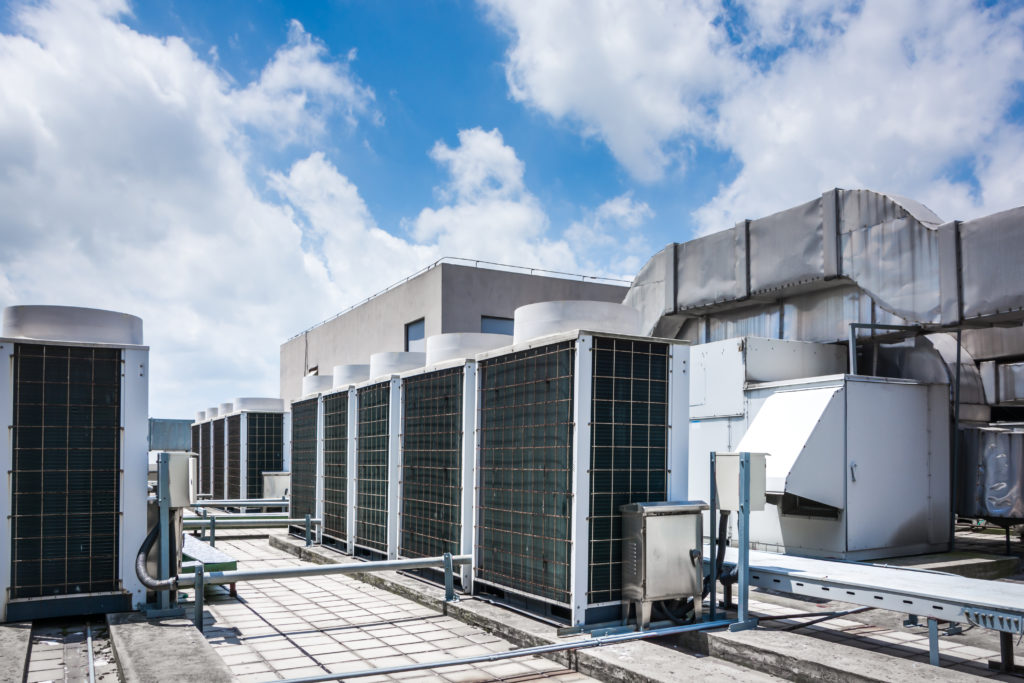
- Look at the outdoor unit from a safe distance. Note visible debris, damage, or an unusual fan behavior without reaching through the grille or removing a panel. Keep the area around the unit clear according to the manufacturer's guidance. Do not spray the unit or attempt electrical or refrigerant work.
These checks are observations, not a diagnosis. If the filter is wet, you see ice, or the unit has damaged wiring, stop and arrange professional service rather than continuing to troubleshoot.
What may be behind repeated starts and stops
Several conditions can produce a similar pattern. A technician may assess thermostat or sensor behavior, airflow, equipment sizing, condensate drainage and safety controls, electrical components, compressor protection, and the cooling circuit. A system that reaches the thermostat quickly can cycle differently from one with a steady cooling load, but only a site-specific inspection can establish whether the equipment is correctly sized or operating as intended.
A dirty filter or blocked return may reduce airflow; a drain safety switch may interrupt operation; and an electrical or control fault may stop one part of the system while another continues. These are possibilities, not conclusions based on the symptom alone. Do not remove access panels, bypass a safety switch, add refrigerant, or repeatedly reset a breaker.
When should you call for service?
Contact an HVAC professional if the system continues to start and stop every few minutes across several cycles, the pattern returns after the basic checks, cooling is uneven or declining, or the indoor and outdoor units seem to stop at different times. Call sooner for ice, water near equipment, unusual electrical sounds, a burning odor, damaged components, or a breaker that trips repeatedly.
When booking, describe the system type if known, how long it runs and rests, the thermostat mode and setpoint, whether both units stop, the room and outdoor conditions, any visible ice or water, and when the behavior began. Mention recent filter changes, repairs, or thermostat changes. Ask what the diagnostic visit includes, the fee, and whether the company services your equipment type and location. Our checklist on what to ask before hiring an AC repair contractor in New York can help you prepare.
Frequently asked questions
How often should an air conditioner turn on and off?
There is no single schedule that applies to every AC. The cycle depends on the equipment, controls, cooling demand, and outdoor conditions. Repeated starts and stops only a few minutes apart are worth discussing with a technician, especially if comfort or performance has changed.
Is short cycling the same as an AC running but not cooling?
No. Short cycling describes frequent stops and restarts. An AC that runs continuously while the home remains warm is a different pattern; see our guide to an AC running but not cooling.
Can a dirty filter make an AC turn off and on repeatedly?
A loaded filter can restrict airflow and contribute to operating problems, but it does not explain every short-cycling symptom. Check or replace only a user-accessible filter as directed by the equipment manual. If cycling continues, arrange an inspection.
Should I keep switching the AC off and back on to test it?
No. Repeatedly switching power or modes can obscure the pattern, and some equipment has a model-specific restart delay. Use the normal thermostat control, follow the manual, and record what the system does during ordinary operation.
Can I troubleshoot short cycling by opening the outdoor unit?
No. Do not remove panels, reach near a fan, handle wiring, bypass controls, or work on refrigerant components. Limit checks to thermostat settings, the manual's user-serviceable filter instructions, unobstructed vents, and visible conditions from a safe distance.
This guide is general information, not a diagnosis of your equipment. Follow the manufacturer's instructions and use a qualified HVAC professional for electrical, refrigerant, or internal system work.


