
Heat pump comfort and controls
Whether to lower a heat pump's thermostat setting overnight depends on the equipment, controls, backup heat, electricity rate, and how quickly the home loses heat. Some systems can follow a modest schedule efficiently; others may take longer to recover or call auxiliary heat. There is no single night setting that suits every heat pump.
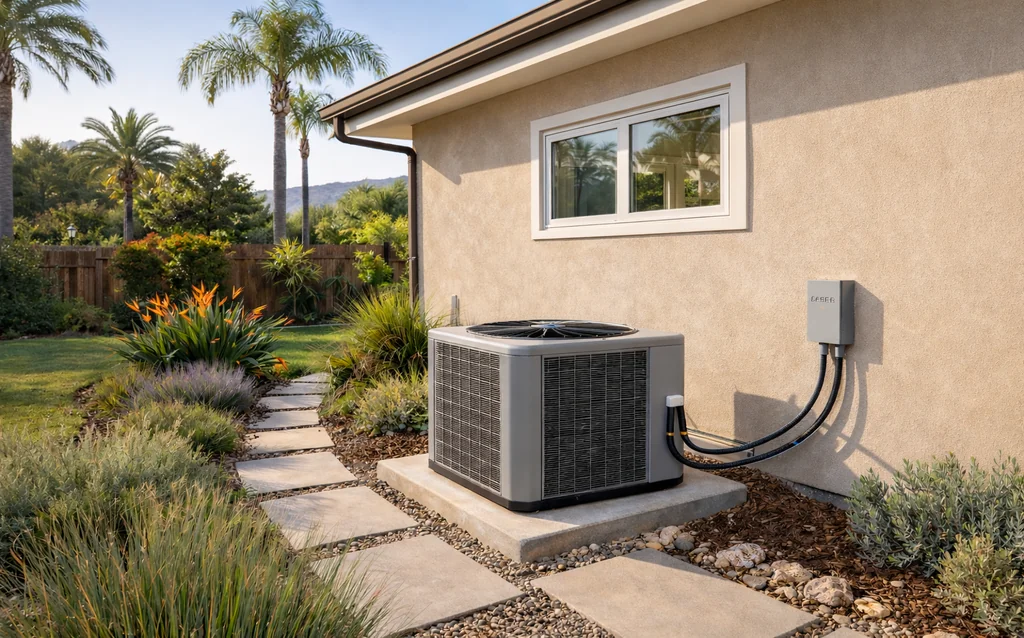
What a night setback changes
A setback is a scheduled change to the thermostat's target temperature while the household is asleep or away. Lowering the indoor temperature can reduce heat loss while the home is cooler. The system then has to bring the home back to the scheduled temperature, and the time and energy required depend on the house and equipment.
Heat pumps transfer heat rather than creating it through combustion. Their output and efficiency vary with outdoor temperature and operating conditions. Some models can adjust compressor speed over a range; other systems operate in more fixed stages. Thermostat and equipment controls also determine whether a recovery period brings on auxiliary heat.
For more on outdoor temperature and system behavior, read why a heat pump may run in cold weather.
Why the same schedule can behave differently
| System or control | What may happen during recovery | What to confirm |
|---|---|---|
| Variable-capacity heat pump | It may adjust output gradually, but a large temperature gap or cold weather can still extend recovery or increase demand. | Ask what setback range and recovery behavior the manufacturer supports for the model. |
| Single-stage or staged system | It may run at a more fixed output or use stages, so recovery timing can differ from a variable-capacity system. | Confirm how the thermostat stages the equipment and whether recovery settings are compatible. |
| Electric auxiliary heat | Some controls may use resistance heat to meet a large recovery demand or when outdoor conditions limit heat-pump output. | Ask when auxiliary heat is allowed to run and how the thermostat indicates it. |
| Dual-fuel system | The system may switch between the heat pump and a fuel-burning backup according to its controls and changeover settings. | Confirm the installer-configured changeover logic and which thermostat schedules are supported. |
| Home and utility plan | Insulation, air leakage, room layout, outdoor weather, and time-based electricity rates can change the cost and comfort result. | Compare similar weather periods and the rate plan that applies when the system runs. |
Check these details before setting a schedule
- Equipment compatibility: confirm that the thermostat is configured for the heat pump and any auxiliary or dual-fuel equipment.
- Recovery behavior: ask whether the thermostat uses adaptive recovery, staging, or auxiliary heat to meet a scheduled change.
- Cold-weather operation: consider how local winter temperatures affect output and whether backup heat is part of the design.
- Comfort in sleeping areas: room-by-room temperatures, closed doors, and building insulation can make one schedule feel different across the home.
- Electricity pricing: if the utility uses time-of-use rates, compare when the heat pump and any backup heat are likely to run.
If you are comparing a heat pump with a furnace or backup system, our New York heat pump vs. furnace guide covers factors that may affect that choice. For controls, capacity, and installation questions, see our heat pump sizing and estimate guide.
If you want to compare schedule options
Start with the thermostat and heat pump manuals or ask the installer what schedule the system is designed to use. If the manufacturer allows schedule changes, make one modest change at a time rather than changing several settings together. Observe indoor comfort, recovery time, and any auxiliary-heat indicator over comparable weather periods.
Use utility or system energy data only if you can identify what it measures; a whole-home bill includes other electrical use and fixed charges. Avoid changing installer-only settings, backup-heat lockouts, or advanced recovery options without guidance from a qualified technician.
Home weatherization and seasonal readiness can also influence how quickly rooms cool overnight. See how to prepare a New York home for heating season.
Questions to ask your installer or service provider
- Is my thermostat designed to control this heat pump model and its backup heat?
- What happens if the scheduled temperature change is larger than the heat pump can recover from quickly?
- Under what conditions can auxiliary heat run during recovery?
- Does this system use adaptive recovery, staging, or a dual-fuel changeover setting?
- Which homeowner-visible indicators show whether the heat pump or backup heat is operating?
- What schedule does the manufacturer recommend for this equipment?
Frequently asked questions
Does lowering the thermostat at night always save money?
No. The result depends on heat loss, outdoor temperature, electricity rates, equipment performance, and whether recovery uses auxiliary heat. Compare your system's actual operation rather than assuming a fixed saving.
Can a setback make auxiliary heat run?
It can on some system and thermostat combinations if the recovery demand meets the controls' conditions. Ask the installer how your equipment is configured and how auxiliary heat is indicated.
Should I change installer settings to stop backup heat?
No. Backup-heat thresholds, staging, and changeover settings affect comfort and equipment operation. Do not change installer-only controls without guidance from a qualified professional.


